Capturing Moments: Your Journey Begins Here

Capturing Moments: Your Journey Begins Here

 Photography is an art form that turns everyday moments into lasting memories. In today’s dynamic landscape, developing your photography skills is essential for transforming simple snapshots into powerful stories. Whether you’re a beginner eager to learn or an experienced enthusiast refining your craft, this guide sets the stage for discovering the secrets behind compelling imagery.
In the upcoming sections, you will learn:
- Effective techniques for mastering exposure, focus, and composition.
- Guidance on lighting, both natural and studio-based, to elevate your images.
- Practical tips for exploring local scenes in areas like Lake Charles and Lafayette, turning familiar settings into inspiring backdrops.
Prepare to embark on a journey of creative exploration that blends technical know-how with artistic vision. With clear examples and actionable advice, you’re about to unlock the skills needed to capture life’s most unforgettable moments.
Step-by-Step Guide to Picture-Perfect Captures
 Discover the art of timeless photography by mastering essential techniques through a clear, sequential guide. Begin by setting up your equipment and adjusting your camera settings for optimal performance. Here’s a practical approach:
- Equipment & Settings:
Ensure your camera is ready with the correct ISO, shutter speed, and aperture. Test different white balance settings to capture vibrant hues, especially during early morning shoots in Lake Charles or late afternoons in Lafayette. - Composition & Lighting:
Follow the rule-of-thirds to create balanced shots. Experiment with natural light and shadows, and remember to use reflectors or diffusers as necessary for dynamic, indoor or outdoor setups. - Focus & Depth:
Engage the auto-focus feature or use manual focus to highlight details that bring depth to your subject. This step is crucial for both portrait and landscape photography. - Review & Refine:
Evaluate your results on location and adjust settings accordingly. Revisit the scene from different angles to catch unexpected details.
By practicing these steps routinely, you’ll improve your photography techniques and create memorable images that truly resonate with your viewers.
Crafting Visual Narratives That Leave a Lasting Impression

Photography is far more than just pointing and shooting; it’s about orchestrating composition, lighting, and timing to create an image that truly tells a story. A well-composed shot directs the viewer’s eye and conveys depth, bringing each element of the scene together harmoniously. Whether you're capturing sprawling landscapes in Lafayette, LA or intimate portraits in Lake Charles, maintaining balanced elements—such as symmetry, rule of thirds, or leading lines—can dramatically elevate your images.
Lighting plays a pivotal role by defining mood and texture. Experiment with natural light during golden hours for a soft, inviting glow, or use controlled artificial lighting when precision is key. Effective use of shadows and highlights can add drama and dimension.
Timing is the silent partner in every great photograph. Waiting for the perfect moment—whether it’s the fleeting expression or the precise alignment of elements—can transform a mundane capture into a memorable visual story.
Key tips to remember:
- Prioritize composition and experiment with framing.
- Adapt lighting techniques based on scene ambiance.
- Be patient; anticipate and capture those decisive moments.
This holistic approach empowers you to overcome common challenges and master photography skills for truly memorable shots.
Unveiling the Art of Photography Styles
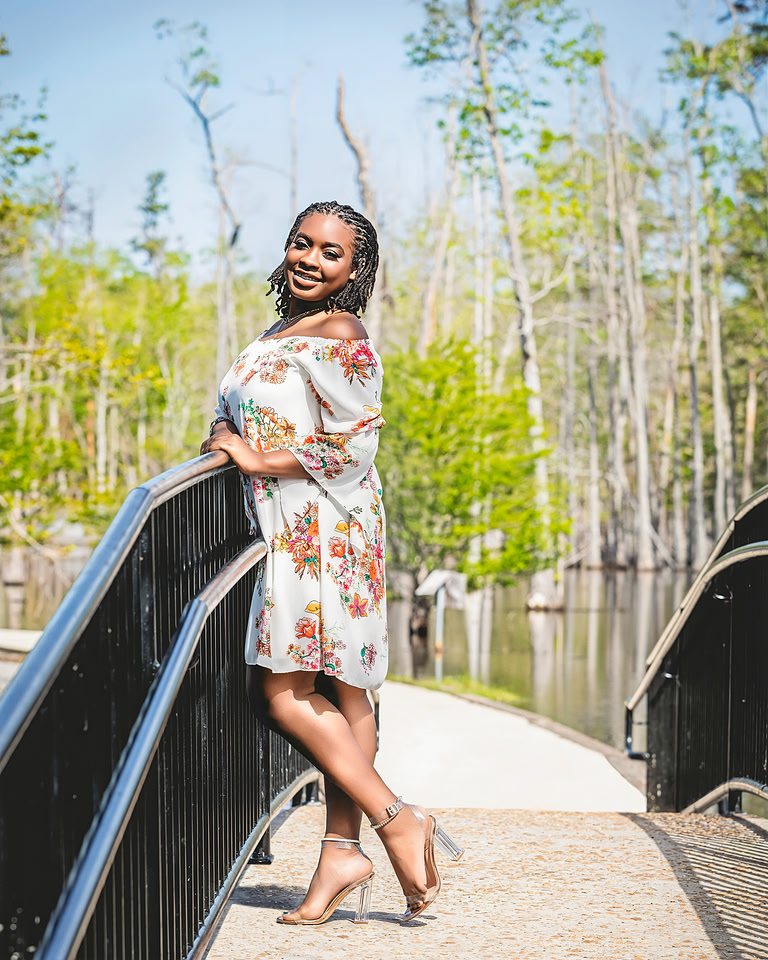
Delve into the multifaceted realm of photography, where varying styles open up new avenues for creative expression and storytelling. Whether you’re capturing a bustling urban landscape or a serene natural scene, understanding which style to use can dramatically enhance your visual narrative. Consider exploring:
- Portrait Photography: Focus on intimate details and expressions to convey personality.
- Landscape Photography: Perfect for showcasing expansive sceneries and nature’s tranquility.
- Street Photography: Ideal for capturing candid moments that reflect the pulse of city life.
- Macro Photography: Bring out the hidden textures and intricate details of everyday objects.
Each style offers unique benefits depending on the intended narrative and environment. For instance, urban settings in locations like Lake Charles and Lafayette, LA, offer vibrant backdrops for street and urban photography. Conversely, natural settings provide ideal conditions for landscape and macro techniques. Experiment with these styles and merge their elements to discover surprising perspectives. By mastering the nuances of each approach, photographers can not only tell compelling stories but also craft memorable shots that resonate with a diverse audience.
Frequently Asked Photography Questions
Q: What are the most common challenges in photography?
A: Many photographers struggle with lighting inconsistencies, composition issues, and managing camera settings. These challenges often arise in varying outdoor conditions and even indoors when natural light is scarce.
Q: How can I improve my lighting setup?
A: Experiment with natural light and additional reflectors, and learn to adjust your ISO and shutter speed. Practice in different environments, such as Lake Charles and Lafayette, to harness local lighting techniques effectively.
Q: What types of lenses should I consider for versatility?
A: A standard zoom lens is a great starting point, as well as a fast prime lens for low-light conditions. Understanding focal lengths can help capture both scenic landscapes and detailed close-ups.
Q: How should I approach composition for more dynamic shots?
A: Use the rule of thirds, leading lines, and framing techniques to create visual interest. Regularly practicing these principles will lead to more engaging images.
Q: What practical steps can I take to solve common photography errors?
A: Review your settings, test different angles, and always be open to learning through practice and feedback to continually improve your skill set.
Elevate Your Craft with Consistent Practice
 Taking your photography skills to the next level starts with continuous improvement. Embracing the learning process and dedicating regular time to practice can transform your abilities behind the lens. To build a strong foundation, consider these tips:
- Experiment with different techniques – Try shooting in various lighting conditions and explore both manual settings and automatic modes to understand their effects.
- Analyze your work critically – Review your photos to identify strengths and areas for improvement. Keeping a visual journal helps track your progress over time.
- Seek constructive feedback – Join local photography groups or participate in online forums where peers can provide new perspectives.
- Set specific goals – Whether mastering composition or perfecting post-processing, clear targets keep your progress focused and actionable.
Incorporating these practices into your routine not only enhances technical skills but also fosters a creative mindset. By dedicating time each week to shot challenges or themed projects, you continuously refine your artistry and technique. Embrace every opportunity to learn and adapt, ensuring that your photography journey remains both dynamic and rewarding.
Wrapping Up Your Photography Journey
As you near the end of this guide, it’s time to reflect on the core techniques discussed and take actionable steps toward perfecting your craft. Throughout this guide, you’ve learned about the importance of composition, lighting, and technical settings that influence your photographic output. Key takeaways include experimenting with different perspectives, mastering post-processing techniques, and constantly challenging yourself to capture unique moments.
To put these insights into practice, consider these steps:
- Revisit the concepts of aperture, shutter speed, and ISO to understand how they interact in varied lighting conditions.
- Dedicate time to experiment with different lenses and angles in familiar settings like local parks or urban landscapes in Lafayette or Lake Charles.
- Practice by setting small projects or weekly challenges that focus on one element of photography at a time.
This is your chance to transform theoretical knowledge into impressive, real-world results. Embrace the learning journey with enthusiasm and continue refining your skills with every shot. Remember, every picture taken is a step closer to mastering the art of photography.
Dr. Angela L. Mitchell
#Revelation ALM Studios